Have you ever wondered how each choice you make affects the world around you? Everything from the coffee you drink to the way you travel leaves a mark on the planet. But don’t worry, making a positive impact is easier than you might think.
In this guide, we’ll dive into what it means to have an environmental footprint and explore some straightforward, impactful ways to reduce your environmental impact. Whether you’re a seasoned eco-warrior or just starting to think about sustainability, there’s something here for everyone.
Surprisingly, small changes can add up to big differences. By choosing local products, reducing waste, and being mindful of energy use, we can all contribute to a healthier planet. Ready to find out how? Let’s get started on a journey to a more sustainable lifestyle, step by step.
Why Should We Care?
Think about the last time you enjoyed a sunny day at the park or a clear night under the stars. Isn’t it wonderful? These simple joys depend on a healthy environment, and that’s something we all contribute to, for better or for worse.
Our environmental impact goes beyond just what we see. It affects the air we breathe, the water we drink, and even the weather patterns that shape our seasons. When we make choices that harm the environment, we’re not just affecting nature; we’re influencing our own quality of life and that of future generations.
But here’s the good news: by being mindful of our impact, we can protect these natural treasures and ensure a thriving planet. Sustainable living doesn’t just mean helping the earth; it means creating a better, healthier life for ourselves and our communities.
Every piece of plastic avoided, every kilowatt of energy saved, and every car trip replaced with walking or biking adds up. These actions reduce pollution, lessen the strain on our natural resources, and promote biodiversity. So, the next time you make a choice, think about its ripple effects. Because when it comes to our environment, every little bit really does count.
Let’s keep those sunny days in the park and starry nights shining bright by taking steps today that foster a sustainable tomorrow. Ready to make a difference? Keep reading to discover how easy and rewarding it is to lower your environmental impact!
23 Ways to Reduce Your Environmental Impact
1) Choose Local Products
Opting for local products whenever possible is a direct way to support your community and the environment. Here are some practical tips on how to make choosing local a part of your everyday shopping habits:
Visit Farmers’ Markets: Make it a regular activity to shop at farmers’ markets. These markets are goldmines for fresh, local produce, and they also often offer other local items like cheeses, meats, and crafts.
Shop at Local Stores and Co-ops: Seek out grocery stores and co-ops that prioritize stocking local products. These stores often provide a wide range of goods produced within the region, from dairy and bakery items to beauty products.
For inspiration on supporting local farms, check out our post on Sutton Community Farm and how it promotes sustainable, seasonal eating with delicious Vegboxes.
Check Labels: When shopping, take a moment to check labels to see where products are made. Opting for items that are labeled as locally made or harvested helps support local businesses and reduces transportation impacts.

By incorporating these practices into your shopping routine, you’re not just buying local; you’re also investing in your community and helping to minimize environmental impact. Local shopping can forge stronger connections with food producers and craftspeople, enriching your understanding of and relationship with your local area.
2) Choose Energy-Efficient Appliances
Choosing energy-efficient appliances is a practical way to reduce energy consumption and save on utility bills. Here’s how you can ensure you’re making the best decisions when it comes to selecting and using these appliances:
Look for the Energy Star Label: When shopping for new appliances, look for the Energy Star label. This label indicates that the appliance meets or exceeds standards for energy efficiency set by your local government or an international environmental agency.
Compare Energy Use: Before making a purchase, compare the energy use of different models. Even among Energy Star-rated appliances, energy consumption can vary. Most stores and online sites provide this information, helping you choose the most efficient option.
Consider Size and Capacity: Bigger isn’t always better. Choose the size and capacity of appliances based on your actual needs. For example, purchasing a smaller refrigerator or a washing machine right-sized for your household can reduce unnecessary energy use.
Upgrade Old Appliances: If your home still has older appliances, consider upgrading to newer, more efficient models. Older models often consume a lot more energy. Prioritize replacing those that consume the most energy, like refrigerators, air conditioners, and water heaters.
Maintain and Repair Appliances: Keep your appliances in good working order by following regular maintenance schedules. Clean filters, seals, and coils, and check for repairs as needed to ensure maximum efficiency.
Use Smart Settings: Take advantage of energy-saving settings on appliances. Many modern appliances come with eco-modes that optimize performance and reduce energy consumption. Familiarize yourself with these settings and use them whenever possible.
Dispose of Old Appliances Properly: When you replace old appliances, make sure to dispose of them responsibly. Many retailers offer recycling programs that ensure old appliances don’t end up in landfills, where they can leak harmful chemicals.
Educate Yourself on Usage Habits: Sometimes, the biggest savings come from changing our habits. For instance, only run your dishwasher or washing machine when they are full, and avoid opening the oven door frequently during cooking.
By actively choosing and managing energy-efficient appliances, you can significantly lower your household’s energy consumption and save money on energy bills. This smart approach not only benefits the environment but also enhances the efficiency and longevity of your appliances.
3) Support Sustainable Businesses
Supporting sustainable businesses is about more than just making eco-friendly purchases; it’s about fostering a community that values ethical practices and environmental responsibility. Here are some effective ways to ensure your support for sustainable businesses makes a real impact:
Research Before You Buy: Take time to learn about the companies you buy from. Look into their sustainability practices, such as their sourcing materials, labor policies, and environmental initiatives. Websites, social media, and sustainability reports are good resources for this information.
Look for Certifications: Reliable third-party certifications can be a strong indicator of a company’s commitment to sustainability. Nonetheless, it’s crucial to stay vigilant and verify the certifications, as they might not always be as advertised.
Check for Transparency: A truly sustainable business will be transparent about its operations and impacts. Companies that openly share their challenges and progress toward sustainability goals are more likely to be genuine in their efforts.
Consider Their Products’ Life Cycle: Sustainable businesses often provide information about the life cycle of their products, including where the materials come from and how to properly dispose of products at the end of their life. This can help minimize environmental impact and reduce waste.
Support Local: Often, smaller, local businesses are more likely to adopt sustainable practices and have a smaller environmental footprint. Supporting local businesses also helps to strengthen your community’s economy.
4) Reduce Animal-Based Consumption
Thinking about reducing your meat intake? Here are some practical steps to help you cut down on animal products in your diet:
Incorporate Meatless Meals: Start by introducing meatless meals into your routine. Initiatives like Meatless Monday are a great way to begin. Experiment with vegetarian recipes that use beans, lentils, tofu, or tempeh as protein sources.
Explore Plant-Based Alternatives: Try plant-based alternatives for common animal products like milk, cheese, and meat. Many supermarkets now offer a variety of tasty and nutritious plant-based options that can help you transition smoothly.
Slowly Reduce Frequency: If you’re used to eating animal products daily, start by cutting back to several times a week, and gradually decrease the frequency. This less abrupt approach can make the transition easier and more sustainable.
By adopting these strategies, you can effectively reduce your consumption of animal products without completely eliminating them from your diet. This approach supports a more sustainable lifestyle and promotes diversity in your eating habits while respecting your personal dietary preferences.
5) Grow Your Own Food (or Some of it)

Growing your own food is a rewarding way to enhance your diet, connect with nature, and ensure you’re eating fresh, healthy produce. Here are some practical steps to help you get started, no matter the size of your space:
Choose the Right Location: Whether you have a yard or just a small balcony, find a spot that receives adequate sunlight, which is essential for plant growth. Most vegetables and herbs need at least 6 to 8 hours of direct sunlight per day.
Start Small: Begin with easy-to-grow plants like herbs, lettuce, or cherry tomatoes. These can be grown in small spaces and are perfect for beginners. Use containers or small raised beds to manage them more easily.
Consider Hydroponics: If you’re limited on space or soil quality, consider hydroponics, a method of growing plants in water enriched with minerals. This technique can be particularly effective for indoor gardening. For more insights and tips, check out our comprehensive article on hydroponics here.
Learn About Companion Planting: Some plants grow better together. For example, tomatoes do well when planted near basil. Companion planting can help deter pests and ensure robust growth. To learn more about creating a vibrant, biodiverse garden, visit our page on Ways to Promote Biodiversity in Your Garden.
Eco-Friendly Gardening: You can also take your sustainable gardening a step further by incorporating eco-friendly items into your garden setup. For instance, we are using compostable pots in our garden, which provide excellent aeration and significantly reduce the risk of root rot. These pots are not only great for plant health but also contribute to reducing waste in gardening. For a detailed look at these and other benefits, head over to our comprehensive review at Compostable Pots and Saucers by Haxnicks.
By following these steps, you can successfully start and maintain a garden that provides you with fresh and nutritious produce right from your own space. Whether you plant in the ground, in containers, or through hydroponics, each method offers a unique and satisfying gardening experience.
6) Eating Seasonally
Eating seasonally is about enjoying the freshest produce that’s been grown and harvested at its natural peak. Here’s how you can start incorporating seasonal foods into your diet:
Learn What’s in Season: Familiarize yourself with the seasonal produce in your area. Many regions have charts available online or at local farmers’ markets that list what’s currently in season.
Shop at Farmers’ Markets: One of the best places to find seasonal produce is at a farmers’ market. Here, you can talk directly to growers to learn more about the food’s origin and how it was grown.
Join a CSA Program: Community Supported Agriculture (CSA) programs are a great way to receive a regular supply of fresh, seasonal produce. By subscribing, you’ll get a box of fresh produce each week throughout the farming season. We had the opportunity to support Sutton Community Farm in London, a model of sustainable farming practices. Head here to read about our rewarding experience with them.
Plan Meals Around Seasons: Adjust your meal planning and recipes to focus on what’s fresh. This not only brings the best flavors to your dishes but also ensures you’re eating a variety of foods throughout the year.
Grow Your Own: Even if you have just a small space, growing your own fruits and vegetables can be a fulfilling way to ensure you’re eating seasonally. When we were living in an apartment, we took the opportunity to start growing food through hydroponics. Herbs, tomatoes, and peppers are great for beginners and can be grown in pots, or even hydroponically for year-round produce. Head here to read our comprehensive article on our hydroponics journey.
Preserve the Bounty: Learn basic preserving techniques like canning, freezing, or drying to extend the life of seasonal produce. This allows you to enjoy summer fruits and vegetables long into the winter months.
By integrating these practices, you’ll not only enhance the taste and nutritional value of your meals but also support local farmers and reduce your environmental impact. Seasonal eating connects you more deeply with the natural food cycles and promotes a healthier, more sustainable lifestyle.
7) Compost your Food Waste
Composting your food waste is a great way to reduce landfill contributions and enrich your garden soil. If you’re new to the process or need more detailed guidance, we have a comprehensive article on composting that you can check out here. Here’s how you can start composting at home:
Choose the Right Compost Bin: Start by selecting a compost bin that fits your living situation. Options range from small kitchen countertop bins for apartments to larger bins for backyard gardens. Make sure it has a tight lid to keep pests out.
Know What to Compost: Familiarize yourself with what can and cannot be composted. Fruit and vegetable scraps, coffee grounds, eggshells, and tea bags are great for composting. Avoid composting meats, dairy products, fats, and anything treated with pesticides.
Balance ‘Greens’ and ‘Browns’: A healthy compost pile needs a balance of ‘greens’ (nitrogen-rich materials like food scraps and grass clippings) and ‘browns’ (carbon-rich materials like dried leaves, twigs, and paper). Aim for roughly equal amounts of both to keep your compost healthy.
Maintain Your Compost Pile: Regular maintenance is key. Turn your compost pile every few weeks to aerate it, which speeds up the decomposition process and prevents odor. Keep the compost moist, but not wet, to support the microorganisms breaking down the material.
Location Matters: Place your compost bin in a convenient yet suitable spot. It should be accessible but also in contact with the soil if possible, which helps with decomposition and allows worms and other beneficial organisms to get in.
Use Finished Compost: Once your compost has turned into a dark, crumbly soil-like substance with a pleasant earthy smell, it’s ready to use. Mix it into your garden beds or use it as mulch around your plants.
Educate Your Household: Make sure everyone in your household knows what can be composted. Having a small container in the kitchen to collect compostable materials makes it easier to transport them to your compost bin.
By following these steps, you can successfully compost your food waste, turning it into a valuable resource for your garden while reducing your environmental impact. Plus, composting can be a rewarding way to connect with nature and contribute to a healthier planet.
8) Buying Fewer but Better Quality Products
Opting for fewer, better-quality items is not only sustainable but also economically savvy in the long run. By focusing on quality over quantity, you avoid the pitfalls of planned obsolescence where items are designed to wear out quickly and need replacing.
For more insights into planned obsolescence and how to avoid it, check out our detailed article here. Here are some effective strategies to help you focus on quality over quantity when making purchases:
Assess Your Needs: Before making a purchase, consider what you truly need. This helps prevent impulse buys and ensures that you invest in items that add value to your life.
Do Your Research: Spend time researching products before buying. Read reviews, compare brands, and check consumer reports to ensure you’re choosing items known for their durability and performance.
Invest in Timelessness: Choose classic styles and high-quality materials that won’t go out of fashion quickly. This is particularly relevant for clothing and furniture, where trends can change rapidly.
Check Warranties and Guarantees: Products with long warranties or satisfaction guarantees often indicate a company’s confidence in its product’s quality. These can provide peace of mind and save money on replacements.
Understand the Cost Per Use: Calculate the cost per use for items, especially those that are more expensive. A higher upfront cost might be justified if the item lasts significantly longer than a cheaper alternative.
Shop from Reputable Brands: Support brands that are known for quality and ethical practices. Often, these brands are more transparent about their manufacturing processes and source materials responsibly.
Learn the Hallmarks of Quality: Educate yourself about what signs of quality to look for in various products, such as the stitching on clothing or the construction of electronic goods.
Take Care of Your Purchases: Once you’ve invested in high-quality items, maintain them well. Proper care can extend the life of products dramatically, from treating leather goods to following care labels on clothing.
Be Willing to Repair: Embrace the idea of repairing items instead of discarding them. Whether it’s mending a seam or replacing a part on an appliance, maintaining and repairing products can significantly extend their lifespan.
By implementing these practices, you can make more thoughtful and sustainable purchasing decisions that prioritize quality over quantity. This approach not only reduces waste but also enhances the value and longevity of the items in your life.
9) Shop Secondhand
Embracing secondhand shopping isn’t just a trend; it’s a practical approach to sustainable living. Here are some effective strategies to help you navigate and make the most of thrift shopping:
Know What You Need: Before heading to a thrift store or browsing online, have a clear idea of what you need. This focus will help you sift through the vast array of items and avoid impulse buys.
Research Local Thrift Stores and Markets: Identify the thrift stores, vintage shops, and flea markets in your area. Each shop tends to have its own style and selection, so knowing which ones align with your tastes can save you a lot of time.
Inspect Items Carefully: Always check secondhand items for wear and tear. Look for stains, rips, or missing parts that might be difficult to repair or clean. Knowing what can be easily fixed or cleaned will help you make better purchasing decisions.
Consider Online Options: Platforms like eBay, Depop, and ThredUp offer vast selections of secondhand goods that you can browse from home. These sites often have user reviews and ratings to help gauge the reliability of sellers.
Get Creative with Upcycling: Sometimes, secondhand items might need a little tweaking or creativity to fit your style. Learning basic DIY skills like sewing or painting can transform your finds into personalized treasures.
Whether it’s clothing, furniture, or other goods, secondhand shopping is a rewarding way to support environmental and economic sustainability.
10) Choose Public Transportation when Possible
Opting for public transportation over driving a private vehicle can have a significant positive impact on the environment, your budget, and even your daily stress levels. Here’s why making the switch to public transit is a smart, sustainable choice:
Familiarize Yourself with Local Options: Start by exploring the public transportation options available in your area. Download apps that provide real-time updates and schedules for buses, trains, and trams. This can help you plan your routes efficiently.
Plan Your Commute: Check the best routes and schedules that align with your daily routine. Consider the time it takes to walk to and from transit stops as part of your daily exercise.
Buy a Transit Pass: Many transit systems offer daily, weekly, or monthly passes that provide unlimited access to buses and trains. Investing in a pass can be more cost-effective than paying for individual rides and simplifies the process since you won’t need to buy a ticket each time.
Use Transit Time Effectively: Public transportation gives you the chance to read, catch up on emails, listen to podcasts, or just relax. This can make commuting something to look forward to rather than a chore.
By integrating public transportation into your daily routine, you not only contribute to reducing your environmental impact but also enjoy a less stressful and more cost-effective commute. Public transit is a practical, accessible, and eco-friendly alternative to driving, providing numerous benefits while helping to promote sustainable urban living.
11) Bike, Walk and Carpool More Often
Choosing to bike, walk, or carpool instead of driving alone can significantly benefit your health, the environment, and your social connections. Here are some practical ideas on how to integrate these transportation options into your everyday life:
Start a Bike-to-Work Day: Organize a weekly bike-to-work day with your colleagues. It’s a fun way to commit to biking and encourages a team spirit among coworkers.
Map Out Your Routes: Identify safe and efficient routes for biking and walking. Apps like Google Maps offer options for pedestrian and bicycle-friendly paths that might be more scenic and enjoyable.
Join a Carpool Group: Look for carpool groups in your area or start one within your community. Apps and community boards can connect you with nearby commuters. This is also a great way to meet new people and reduce travel costs.
Combine Public Transport with Biking/Walking: If your destination is too far for a full bike or walk, combine these with public transportation. Many transit systems provide accommodations for bicycles.

Invest in Quality Gear: Having the right equipment can make biking and walking more comfortable and safe. Consider investing in a good pair of shoes, a reliable bike, and necessary safety gear like helmets and reflective clothing.
Plan for the Weather: Keep an eye on the weather forecast to plan your biking or walking days. Having rain gear and warm clothing ready can help you stick to your plans, regardless of the weather.
By integrating these activities into your routine, not only do you reduce your environmental impact and improve your health, but you also make your daily commute more enjoyable. Start with small commitments and build from there for a sustainable shift towards a healthier lifestyle.
12) Repair Your Belongings Instead of Defaulting to Donation or the Bin
In a culture of disposability, learning to repair your own belongings is not only environmentally responsible but also immensely satisfying. Here are some practical ways you can start mending and maintaining items to extend their life and value:
Learn Basic Sewing Techniques: For clothing, learning how to sew a button, fix a torn seam, or patch a hole can save many garments from the landfill. Basic sewing kits are inexpensive and can handle most minor repairs.
Use Repair Kits: Many products, such as leather goods and furniture, can be maintained and repaired with specific kits. These kits often include everything you need to fix common issues, like scratches or loose parts.
Attend Repair Workshops: Look for local workshops or repair cafés where experts volunteer their time to teach repair skills. These can range from electronics and appliances to clothing and bicycles.
Utilize Online Tutorials: The internet is a treasure trove of repair knowledge. Websites like YouTube have tutorials for just about anything, from replacing a smartphone screen to refinishing a wooden chair.
Consider Professional Repair Services: When a repair is beyond your skill level, consider using professional repair services. This can be especially important for high-value items like watches or sophisticated electronics where DIY attempts might risk further damage.
Encourage Community Exchange: Swap skills with friends or neighbors. If you’re handy with electronics but struggle with sewing, find someone who complements your skills and trade services.
Think Creatively: Sometimes, traditional repair methods might not work, and creative solutions are needed. For instance, turning a ripped pair of jeans into a stylish pair of shorts, or using patches to cover and reinforce areas of heavy wear.
By adopting these repair strategies, you not only save money and reduce waste but also develop a deeper connection with your possessions, appreciating the effort and resources that go into each item. Start small, perhaps with clothing or simple home items, and as your confidence grows, so will your ability to tackle more complex repairs.
13) Avoid Fast Fashion
When it comes to fast fashion, the abundance of information and the prevalence of greenwashing by many fashion companies can make it feel overwhelming to make responsible choices. Here’s how you can steer clear of fast fashion and opt for more sustainable apparel choices:
Fast fashion involves rapid production of cheap, trendy clothing, replicating the latest fashion trends and high-fashion designs, and getting them to the market quickly at low costs. This often results in poor quality garments produced under questionable labor conditions.
Start by educating yourself about the impacts of fast fashion, not just on the environment but also on workers’ rights. Look for documentaries, books, and credible online resources that shed light on the industry’s practices.
Many companies claim to be sustainable to tap into the growing demand for eco-friendly products without making substantial changes to their processes. Scrutinize these claims by researching the company’s actual sustainability reports and the specifics of their environmental initiatives.
Choose Quality Over Quantity: Invest in higher-quality garments that last longer, rather than cheaply made pieces that may need to be replaced frequently. This reduces waste and ensures you get more value from each item you purchase. Read our comprehensive guide and learn more about choosing sustainable fabrics here.
Support Ethical Brands: Seek out brands that are transparent about their manufacturing processes and that support fair labor practices. Brands with reputable certifications like B Corp are often good choices, as they meet stringent standards of social and environmental performance.
Shop Secondhand: One of the best ways to avoid fast fashion is to buy secondhand clothing. This helps keep clothes out of landfills and reduces the demand for the production of new clothing.
Repair and Upcycle: Extend the life of your clothes by learning basic repair skills, like sewing a button or patching a hole. Upcycling old or worn-out clothes into new garments or accessories can also be a fun and creative way to minimize waste.
Be a Conscious Consumer: Finally, think critically about each purchase. Ask yourself if it’s something you really need or if it’s an impulse buy influenced by the latest trend. Reducing the overall amount of clothing you buy can have a significant impact.
By taking these steps, you can avoid the pitfalls of fast fashion and make more informed, sustainable choices that align with your values and the well-being of our planet.
14) Going Solar
Switching to solar power is an excellent way to reduce energy costs and lower your environmental footprint. Here are some steps and considerations for using solar-powered appliances and upgrading your home with a solar power system:
Evaluate Your Solar Potential: Before making any changes, assess your home’s solar potential. This involves checking how much sunlight your home receives, which can be influenced by location, season, and landscape. Many services and tools are available online to help you evaluate this.
Start with Solar Appliances: If a full system upgrade seems daunting, consider beginning with solar-powered appliances. For example, outdoor solar lights, solar water heaters, and portable solar chargers are great starting points that can significantly reduce your electricity usage.
Consider a Solar Water Heater: As a practical application of solar power, installing a solar water heater can be a cost-effective way to begin transitioning your home. In our own experience, our solar water heater significantly reduced our reliance on gas, eliminating the need to use our conventional water heater for half of the year.
Invest in a Full Solar Power System: If your home is suitable, installing a full solar power system can dramatically cut your energy bills and increase your home’s value. This system typically includes solar panels, an inverter, batteries for storage, and sometimes a secondary energy source.
Check for Incentives: Many governments and local authorities offer incentives for installing solar power systems, such as rebates, tax breaks, or grants. Research what’s available in your area to help offset initial costs.
Choose the Right Equipment: Selecting the right solar panels and related equipment is crucial. Look for high-efficiency panels and a reliable inverter. Consulting with a professional can help ensure that you choose the best options for your specific needs.
Professional Installation: For solar panels and more complex systems, professional installation is recommended. Proper installation not only maximizes the efficiency of the system but also ensures safety and longevity.
Maintenance and Monitoring: Once your system is up and running, regular maintenance and monitoring are essential to keep it functioning efficiently. Most modern solar systems come with monitoring technology that allows you to track performance and identify any issues promptly.
By upgrading to solar power, you not only contribute to a greener planet but also enjoy long-term savings and energy independence. With the right planning and investment, solar energy can provide substantial benefits for your home and the environment.
15) Upgrade Your Windows and Doors
Upgrading your doors and windows is a smart investment that can improve your home’s energy efficiency, security, and overall aesthetics. Here’s how you can go about making these upgrades:
Assess Current Installations: Start by evaluating your existing doors and windows. Look for signs of wear such as drafts, condensation between panes, and difficulty in opening or closing. These are indicators that your fixtures may need replacing or upgrading.
Choose Energy-Efficient Options: When selecting new doors and windows, prioritize energy efficiency. Look for products with good insulation properties, such as double or triple-glazed windows, and those that are Energy Star rated. These types of windows and doors can significantly reduce heat loss during winter and keep your home cooler in the summer, leading to lower heating and cooling costs.
Seal and Weatherstrip: To maximize the benefits of your new doors and windows, ensure they are well-sealed. Apply weatherstripping around the frames to eliminate drafts and enhance thermal insulation. This small step can have a big impact on your home’s energy efficiency.
Regular Maintenance: After installation, maintain your doors and windows with regular cleaning and necessary repairs to prolong their life and performance. This includes checking the seals and hardware periodically and making adjustments as needed.
By investing in quality doors and windows and ensuring they are correctly installed and maintained, you can enhance your home’s energy efficiency, ultimately adding value to your property.
16) Recycle, Recycle and Recycle
Recycling is a crucial component of reducing waste and conserving resources. Here’s how you can effectively incorporate recycling into your daily life:
Understand What Can Be Recycled: Familiarize yourself with the types of materials that can be recycled in your area. Most communities accept paper, cardboard, glass, and certain types of plastic and metal. Check with your local recycling service for specific guidelines to ensure you’re recycling correctly.
Set Up a Home Recycling System: Make recycling as easy as possible by setting up a designated recycling area in your home. Use separate bins for different materials to simplify the sorting process. Clear labeling can help everyone in the household participate correctly.
Reduce Contamination: One of the biggest challenges in recycling is contamination, which can render batches of recyclables unprocessable. Always clean food containers before recycling them, and avoid putting non-recyclable materials in the bins.
Recycle Electronics Wisely: Electronic waste, or e-waste, requires special handling due to the toxic materials it can contain. Many electronics stores offer take-back programs, or you can look for local recycling events that handle e-waste.
Think Beyond the Bin: Recycling isn’t just about what goes in the recycling bin. Consider other ways to recycle, such as donating clothes, repurposing furniture, or composting organic waste. Each of these efforts reduces what ends up in landfills.
Educate Yourself and Others: Stay informed about recycling processes and guidelines. Educate your family, friends, and community about the benefits of recycling and how to do it properly. Awareness leads to action!
Buy Recycled Products: Support the recycling industry by purchasing products made from recycled materials. This creates demand for recycled goods and encourages businesses to use recycled content in their products.
Get Involved in Community Recycling Initiatives: Many communities have local recycling programs or initiatives that promote environmental sustainability. Participating in or volunteering for these programs can make a significant difference in your community.
By making recycling a regular part of your life and encouraging others to do the same, you help conserve natural resources, reduce greenhouse gas emissions, and support your local economy. Remember, every item recycled is a step towards a healthier planet!
17) Eco-Driving
Eco-driving encompasses a range of driving and vehicle maintenance techniques aimed at reducing fuel consumption and minimizing environmental impact. Here are practical tips to help you drive more efficiently:
Maintain Steady Speeds: Avoid sudden starts and stops. Accelerate gently and try to keep your speed as steady as possible. Using cruise control on highways can help maintain a constant speed and reduce fuel usage.
Monitor Tire Pressure: Keep your tires properly inflated. Under-inflated tires can increase fuel consumption by up to 3%. Regular checks and maintaining the recommended tire pressure not only improve your mileage but also extend the life of your tires.
Reduce Idling: Turn off your engine if you expect to be stopped for more than a minute. Idling for long periods wastes fuel and emits unnecessary emission. Modern engines are designed to handle frequent starts and stops, so you won’t wear down your battery.
Limit Air Conditioning Use: Air conditioning can increase a vehicle’s fuel consumption. Use it sparingly and consider other cooling methods like opening windows when the speed is low. At higher speeds, closed windows reduce air resistance and can be more fuel-efficient.
Streamline Your Vehicle: Remove any unnecessary weight from your car, such as roof racks and unnecessary cargo. Extra weight demands more fuel, and roof racks can decrease aerodynamics, further reducing fuel efficiency.
Plan Your Routes: Plan your trips to avoid heavy traffic and choose routes that allow for steady driving. Utilizing GPS apps can help you find the most efficient routes and avoid getting stuck in traffic jams.
Perform Regular Maintenance: Keep your vehicle in optimal condition. Regular maintenance such as changing the oil, replacing air filters, and ensuring your engine is running smoothly can significantly improve your car’s efficiency.
Drive Less: Where possible, combine trips, carpool, or choose alternative modes of transportation like biking or public transit.
By adopting these eco-driving techniques, you can reduce fuel consumption, save money, and contribute to a cleaner environment. Eco-driving not only benefits your wallet but also promotes a more sustainable and responsible way of living.
18) Choose Fuel-Efficient or Electric Car
When it’s time to purchase a new vehicle, opting for a fuel-efficient or electric car is a responsible choice that benefits both the environment and your wallet. Here’s how to make an informed decision:
Research Fuel Economy: Start by researching the fuel economy of different vehicles. The more miles a car can travel on a gallon of fuel, the less it will cost you in the long run and the lower its environmental impact will be. Fuel economy ratings can typically be found on the manufacturer’s website or environmental protection agencies’ online resources.
Consider Electric Vehicles (EVs): Electric cars are worth considering due to their lower operating costs and minimal environmental impact. EVs produce zero tailpipe emissions, which drastically reduces air pollution. Investigate the range of electric vehicles to ensure they meet your daily travel needs.
Look at Total Cost of Ownership: When choosing a car, consider the total cost of ownership, which includes purchase price, fuel costs, maintenance, and possible tax incentives. Electric vehicles, for example, often have higher upfront costs but may be cheaper to operate and maintain than traditional gasoline cars.
Check Incentives: Many governments offer incentives for buying fuel-efficient or electric vehicles, such as tax rebates, reduced registration fees, or grants. These incentives can make eco-friendly vehicles more affordable.
Evaluate Charging Infrastructure: If you’re considering an electric vehicle, look into the availability of charging stations in your area or the feasibility of installing a home charging station. Adequate charging infrastructure is crucial for the practicality of owning an EV.
Assess Resale Value: Research the resale value of fuel-efficient and electric vehicles. Some models hold their value better than others, which can be an important factor in your overall financial calculation.
Choosing a fuel-efficient or electric vehicle is a significant step to reduce your environmental impact and promote sustainability. With careful consideration and research, you can select a vehicle that not only meets your needs but also contributes to a greener planet.
19) Conserve Water
Conserving water is essential for sustainability and helps protect our precious water resources. Here are some actionable steps you can take to reduce your water usage:
Fix Leaks Promptly: Address leaks as soon as you notice them. A dripping faucet or leaking toilet can waste gallons of water a day. Regular checks can help catch and resolve these issues quickly.
Install Water-Efficient Fixtures: Upgrade your home with water-efficient fixtures such as low-flow showerheads, faucets, and dual-flush toilets. These fixtures are designed to use significantly less water while providing the same utility.
Use Water-Saving Appliances: Choose appliances like dishwashers and washing machines that are ENERGY STAR certified. These appliances are more efficient in their water use and can save a significant amount over their lifetimes.
Water Lawns Intelligently: Water your garden or lawn during the cooler parts of the day, typically early morning or late evening, to reduce evaporation. Also, consider watering plants deeply but less frequently to encourage deeper root growth and better drought resistance.
Collect Rainwater: Set up a rain barrel to collect rainwater from your roof. Use this water for watering your garden, washing your car, or cleaning outdoor areas.
Run Full Loads: Always run your dishwasher and washing machine with full loads. This practice maximizes efficiency and reduces the number of cycles you run, saving water each time.
Shorten Your Showers: Reduce your shower time. Even cutting back by a few minutes can save hundreds of gallons of water each month.
Turn Off the Tap: Don’t let the water run while brushing your teeth, washing your hands, or shaving. Turning off the tap during these activities can save a significant amount of water.
Choose Native Plants: Landscape with native plants that are adapted to the local climate and require less water, fertilizer, and pesticides.
Educate Family and Friends: Share water-saving tips with family and friends. The more people adopt water-conserving practices, the greater the cumulative effect on water conservation in your community.
By implementing these practical tips, you can significantly reduce your water usage, helping to conserve this vital resource for future generations while also reducing your utility bills.
20) Power up with Rechargeable Batteries
Switching to rechargeable batteries is a smart and sustainable choice that can significantly reduce waste and save money over time. Here’s how you can make the most of rechargeable batteries:
Choose the Right Type: There are several types of rechargeable batteries available, including NiMH (Nickel-Metal Hydride) and Li-ion (Lithium-ion). NiMH batteries are suitable for most household devices like remote controls and digital cameras, while Li-ion batteries are often used for high-drain electronics like laptops and smartphones.
Invest in a Good Charger: A high-quality charger is a key component of using rechargeable batteries effectively. Look for chargers with safety features that prevent overcharging, which can extend the life of your batteries. Some advanced chargers also have features like individual charging status for each battery, which can be very convenient.
Invest in a Good Charger: A high-quality charger is a key component of using rechargeable batteries effectively. Look for chargers with safety features that prevent overcharging, which can extend the life of your batteries. Some advanced chargers also have features like individual charging status for each battery, which can be very convenient.
Proper Maintenance: To maximize the lifespan and effectiveness of rechargeable batteries, always follow the manufacturer’s guidelines for charging and storage. Avoid exposing batteries to extreme temperatures, as heat can reduce battery life.
Recycle Old Rechargeable Batteries: Once your rechargeable batteries reach the end of their life, make sure to recycle them properly. Rechargeable batteries contain materials that can be hazardous if disposed of in regular trash. Many electronics stores offer recycling services for batteries.
By incorporating rechargeable batteries into your daily routine, you not only contribute to reducing hazardous waste but also enjoy the convenience and cost savings they bring. This small change in your energy consumption habits can have a substantial impact to reduce your environmental impact.
21) Choose Eco Friendly House Cleaning Products
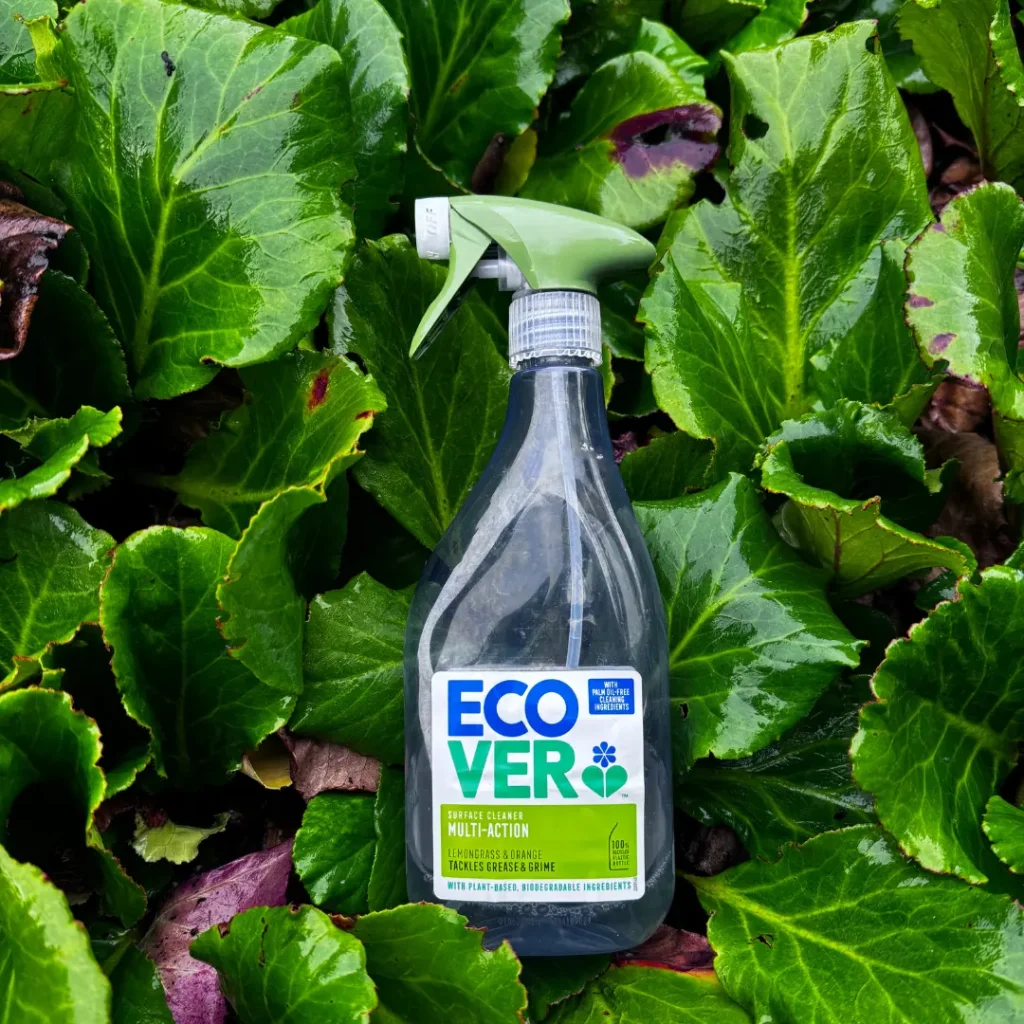
Switching to eco-friendly house cleaning products is an excellent way to maintain a healthy home while minimizing environmental impact. These products are designed to be safe for the environment and often for your health as well. Here’s how you can incorporate them into your cleaning routine:
Understand the Labels: Look for products labeled as non-toxic, biodegradable, and phosphate-free. These terms indicate that the products have fewer harmful chemicals and are better for the environment.
DIY Cleaning Solutions: Consider making your own cleaning products using ingredients like vinegar, baking soda, and lemon. Homemade cleaners can be just as effective for many tasks and reduce the need for chemical-laden alternatives.
Choose Concentrated Products: Buying concentrated cleaners reduces the amount of packaging waste and often means you use less product to achieve the same level of cleanliness. This can also save you money in the long run.
Refillable Containers: Opt for brands that offer refillable containers to further reduce plastic waste. Many eco-friendly brands provide bulk sizes or refill stations in stores.
Reduce Use of Disposables: Swap disposable cleaning items like wipes and paper towels for reusable cloths or sponges that can be washed and reused multiple times.
For a deeper dive into this topic, head over to our comprehensive article: Eco-Friendly Home Cleaning Products.
22) Choose Zero Waste Product Where Possible
Adopting zero waste products is a meaningful way to reduce your environmental footprint by minimizing the amount of waste that ends up in landfills. Here’s how you can make zero waste choices:
Understand Zero Waste Principles: Zero waste aims to redesign resource life cycles so that all products are reused, and no trash is sent to landfills or incinerators. This approach focuses on waste prevention at the source and encourages a shift from disposable to reusable products.
Start with Everyday Items: Begin by replacing everyday disposable items with reusable alternatives. For instance, use cloth bags for shopping, beeswax wraps instead of cling film, reusable coffee cups, and water bottles, and swap out paper towels for cloth napkins.
Choose Products with Minimal Packaging: Opt for items that come with little or no packaging, or packaging that is biodegradable or easily recyclable. Bulk bins are great for buying staples like grains, nuts, and spices without packaging.
Support Zero Waste Stores: Shop at zero waste stores or online platforms that specialize in zero waste products. These stores typically offer a wide range of products designed to help reduce waste in every part of your home.
Educate Yourself About Materials: Learn which materials are truly compostable or recyclable in your area. For example, cork, bamboo and glass are excellent sustainable materials for products like toothbrushes, containers, and utensils. To deepen your understanding of sustainable materials such as cork, explore our page on What is Cork and How Sustainable Is It?.
Embracing zero waste products isn’t just about buying things with less packaging; it’s a holistic approach that involves rethinking how we consume and choosing items that contribute to a sustainable cycle of use and reuse. We also have a section called Green Living, where you can explore products that we’ve personally tried and tested to help you make informed choices.
23) Choose Biodegradable or Compostable Products Where Possible
Selecting compostable and biodegradable products is an effective way to reduce environmental impact by ensuring that items you use daily can break down naturally and minimize landfill waste. Here’s how you can make more environmentally friendly choices:
Understand the Difference: Compostable and biodegradable materials are often confused, but they have distinct properties and environmental benefits. Compostable products decompose into nutrient-rich soil under the right conditions, while biodegradable products break down naturally without needing a specific environment. Learn more about the differences and benefits of each at Compostable vs. Biodegradable: Know the Difference.
Check Product Certifications: Look for products that are certified compostable or biodegradable by reputable organizations. These certifications ensure that the products meet specific standards for decomposition and have been tested to break down within a reasonable timeframe.
Prioritize Packaging: Choose products with compostable or biodegradable packaging when shopping for groceries, cosmetics, or other daily goods. This can significantly reduce plastic waste and its long-term impact on the environment.
Shop Sustainably: Visit stores or online platforms that specialize in eco-friendly products. Head over to our Green Living section for reviews and recommendations for compostable and biodegradable products to help you make informed choices.
Educate Yourself on Proper Disposal: Ensure you understand how to properly dispose of compostable and biodegradable materials. Not all facilities can handle these products, so it’s important to know your local disposal guidelines.
Incorporate into Home and Office: Replace everyday items such as trash bags, food storage containers, and office supplies with compostable or biodegradable alternatives. This small change can make a big difference in the volume of waste you produce.
Wrapping Up
Every choice we make has an impact on our planet, from the products we buy to the ways we choose to travel. By understanding our environmental footprint and actively seeking ways to reduce it, we can all contribute to a healthier, more sustainable world.
This guide has outlined a variety of straightforward and impactful ways to minimize our ecological impact, suitable for eco-warriors and beginners alike. Remember, small changes can lead to significant differences.
By adopting sustainable habits like choosing local products, conserving energy, and opting for eco-friendly alternatives, we empower ourselves to make a lasting, positive impact on the environment. So let’s continue to make mindful choices that protect our natural treasures and ensure a thriving planet for future generations.
Start your journey towards a more sustainable lifestyle today, and together, we can make a difference.