Maybe you’re a beginner gardener, or perhaps you’ve been gardening for a few years now. Either way, you’re interested in cultivating a space with abundant biodiversity. This article by Larry from Sow Sustainably discusses how to create a garden aimed to promote biodiversity, allowing you to grow a variety of crops that thrive in your local climate and attract plenty of pollinators. Here’s how to start planning your garden, add features like birdhouses and a pond, and incorporate native plants into your garden.
Create an Organized “Garden Plan”
Before you begin cultivating your garden, it helps to create a detailed plan. This involves deciding what you’ll plant, where each plant will go, and any additional features you’d like to include. Consider the specific needs of each plant, such as sunlight, soil type, and water requirements. Mapping out your garden in advance allows you to maximize space, ensure proper plant placement, and create a cohesive design. Additionally, planning for elements like birdhouses, ponds, and pathways can enhance both the functionality and aesthetic appeal of your garden.
Add Birdhouses
If you enjoy birdwatching, why not put up birdhouses in your garden? All sorts of local birds will stop by your yard! You can pick up birdhouses from a local hardware store or garden supply shop, or you can build your very own birdhouses.

Introduce Native Plants
Incorporating native plants into your garden is one of the best ways to encourage and promote biodiversity. Garden Design recommends researching plants that are native to your specific region, which will result in a healthier garden. If you need advice, you can ask the staff at your local garden centre.
Design a Butterfly Garden Section
Butterflies make great pollinators, and you can encourage them to visit your garden! By establishing a section of your garden with plants that typically attract butterflies with their nectar, you’ll see more of these fluttery creatures in your yard. Try adding plants like marigolds, sweet alyssum, zinnias, and sunflowers.
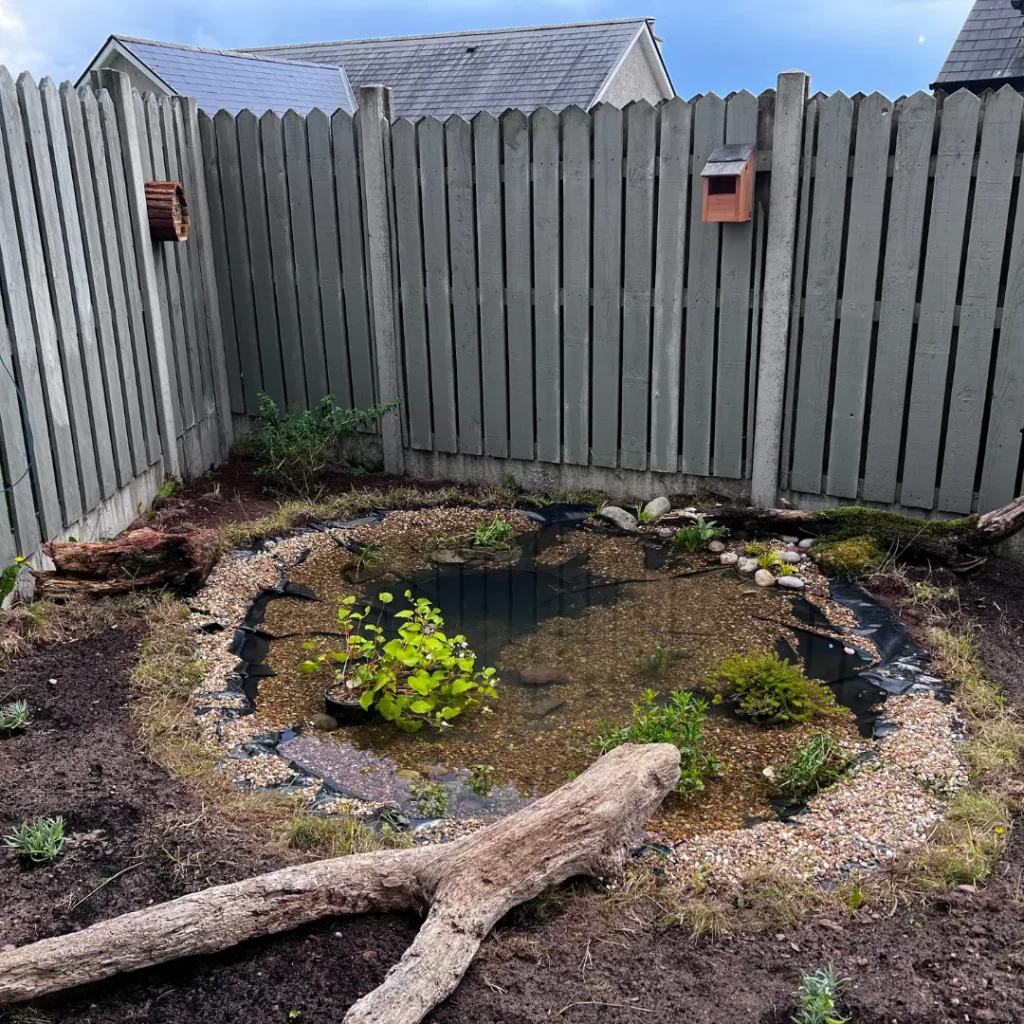
Carve Out a Garden Pond
Why block off space for a pond in your garden? This design choice can boost your garden’s biodiversity. Your pond can become a home for fish, frogs, and insects. To set up a pond in your garden, The Spruce recommends digging out a pond space with a level perimeter, laying down a hardware cloth, shovelling dirt over it to serve as the bottom of your pond, and adding a spillover drain. You may want to work with a contractor for assistance on this project.
For a detailed guide on creating a serene water feature, visit our article Natural Pond: A Step-by-Step Guide to Creating a Tranquil Oasis in Your Garden.
Try Natural Pest Control
If you’re worried about pests eating your plants, it’s easy to see why you would turn to conventional pest control methods. It can seem like the most straightforward way to get rid of pests and keep your garden safe. However, many pest control products that you would typically find on the shelves at stores can be damaging to the environment. Instead of reaching for these products, try using natural pest control methods instead. These can include vegetable oil spray, neem oil spray, and garlic spray. They are made with natural ingredients and can effectively remove pests from your plants without releasing harmful chemicals into your garden.
Biodiversity is the key to creating a garden that will thrive season after season. By cultivating a garden around the principle of biodiversity, you’ll see a huge variety of life in your very own yard. With these tips, you’ll be ready to craft a plan for your garden and start planting!
Want to adopt a more sustainable lifestyle? Turn to Jungle Hugger! Browse our website today for tips on everything from gardening to going zero-waste.


cool