Introduction
Have you ever wondered if the cookware you’re using every day could be silently affecting your health? We all spend so much time preparing delicious meals for ourselves and our families, but rarely do we think about the pots and pans that help us do it.
Yet, the truth is, not all cookware is created equal. Some materials commonly found in our kitchens could be leaching harmful chemicals and metals into our food, posing potential health risks over time.
In this article, we’re diving deep into the world of toxic cookware to uncover which materials might be more harmful than helpful. From Teflon-coated pans that release toxic fumes when overheated to aluminium pots that can leach metals into your food, it’s crucial to know what you’re cooking with and how it might impact your well-being.
Our goal is to help you make informed choices about the cookware you use daily, ensuring that your kitchen remains a safe and healthy environment for you and your loved ones. So, grab a cup of tea, settle in, and let’s explore the hidden dangers lurking in your kitchen and discover safer non-toxic cookware alternatives to keep your meals not just tasty, but also safe!
What is Toxic Cookware?
Let’s start with the basics: What exactly do we mean by “toxic cookware”? Simply put, toxic cookware refers to pots, pans, and other kitchen utensils made from materials that can release harmful chemicals or metals into your food while cooking.
This might sound a bit scary, and truthfully, it is. But don’t worry, we’re here to break down the facts and help you make safer choices in your kitchen.
Some of the most common materials found in toxic cookware include Teflon and other non-stick coatings, aluminium, and certain types of low-quality ceramic and copper.
So, what’s the big deal? Why should we care about the materials our pots and pans are made from? The risks associated with toxic cookware go beyond just a bad taste in your food. Exposure to harmful chemicals and metals can have serious, long-term health consequences.
Cooking is something we do every day, often multiple times a day, which means our exposure to these materials can add up over time. That’s why it’s so important to be aware of what you’re using in your kitchen.
The good news? There are plenty of safe, non-toxic alternatives out there, and we’re here to help you navigate them. So, let’s dive deeper into the different types of cookware and what you can do to keep your kitchen, and your body, free from harmful toxins.
Types of Toxic Cookware and their Health Risks
When it comes to cookware, not all materials are created equal. While some may seem like convenient choices, they could potentially expose you and your family to harmful chemicals and metals. Let’s explore some common types of toxic cookware and the health risks associated with them.
Teflon and Non-Stick Cookware (PFOA and PFOS)
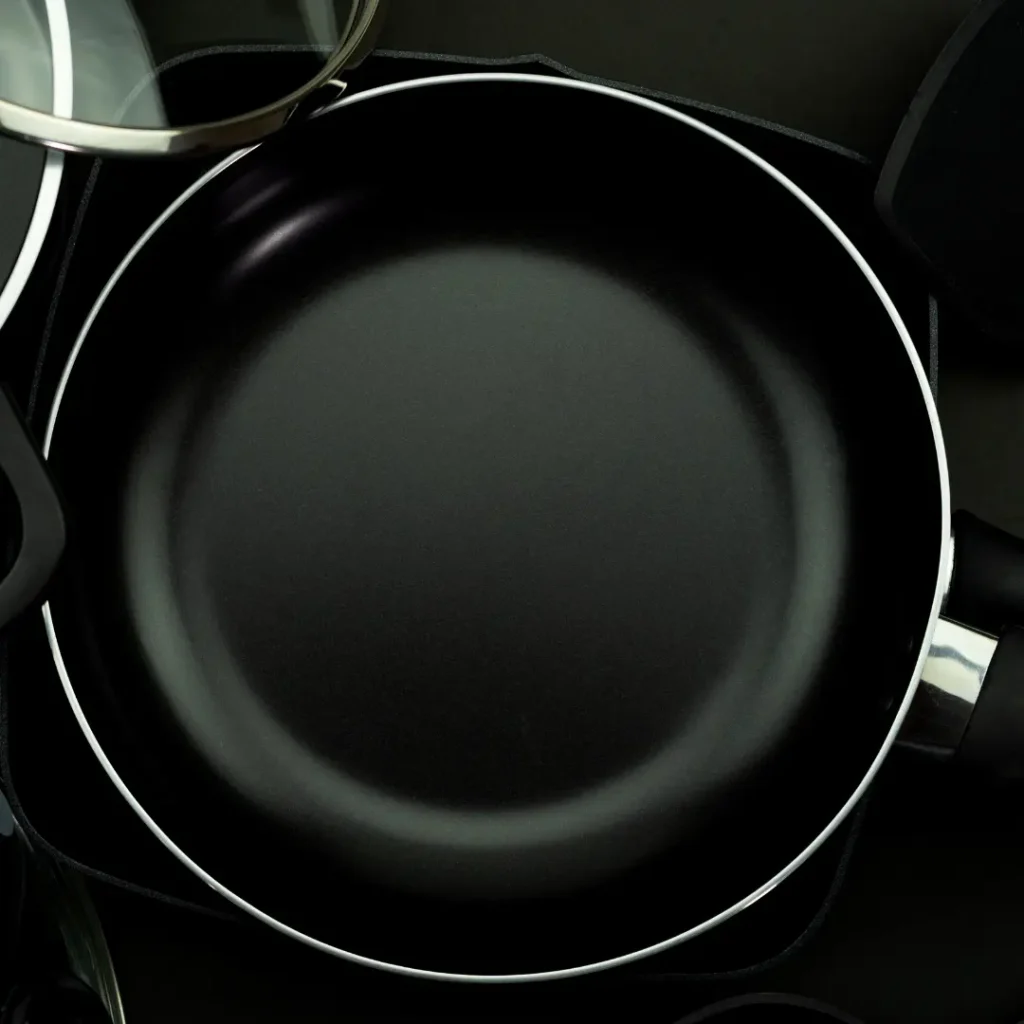
Teflon, a brand name for a chemical compound known as polytetrafluoroethylene (PTFE), has been a popular choice in kitchens for decades. Its non-stick properties make cooking and cleaning a breeze, but there’s a hidden danger that many people are unaware of.
When Teflon-coated pans are overheated, typically above 500°F (260°C), the PTFE begins to break down and release toxic fumes. These fumes can cause a condition known as “polymer fume fever,” which presents with flu-like symptoms, including headache, chills, fever, and respiratory distress (Correia & Horrowitz, 2023) [1].
Moreover, Teflon cookware often contains chemicals like PFOA (perfluorooctanoic acid) and PFOS (perfluorooctane sulfonate). Both of these chemicals are part of a larger group known as per- and polyfluoroalkyl substances (PFAS), which have been linked to a variety of serious health conditions.
Non-Stick Teflon Frying Pan
According to the National Cancer Institute, exposure to PFOA and PFOS has been associated with an increased risk of cancers (such as kidney and testicular cancer), liver damage, thyroid disease, and developmental issues in children [2]. These findings are supported by a research paper published by The Journal of Steroid and Molecular Biology, which notes that PFAS chemicals can disrupt endocrine function (White, Fenton & Hines., 2011) [3].
Aluminium Cookware
Aluminium is another common material used in cookware due to its affordability, lightweight properties, and excellent heat conductivity. However, there are significant concerns regarding its safety, particularly when cooking acidic foods like tomatoes or citrus fruits.
Aluminium can react with these foods, causing the metal to leach into your meals. Research has shown that even low levels of aluminium ingestion over time can pose health risks. A study in the Advances in Neurotoxicology suggests a potential link between aluminium exposure and neurodegenerative diseases, such as Alzheimer’s disease, pointing to aluminium’s ability to accumulate in the brain and cause neurotoxicity (Skalny et al., 2021) [4].
Many aluminium cookware products, especially those made in developing countries from scrap metal, can leach toxic metals like lead and cadmium into food. These metals pose significant health risks, including cognitive impairments and cardiovascular diseases [5].
Additionally, articles in the Morphologie have noted that chronic exposure to aluminium can lead to oxidative stress and inflammation, further contributing to neurological damage and cognitive decline (Exley, C., 2016) [6].
Copper Cooking Pot
Copper Cookware
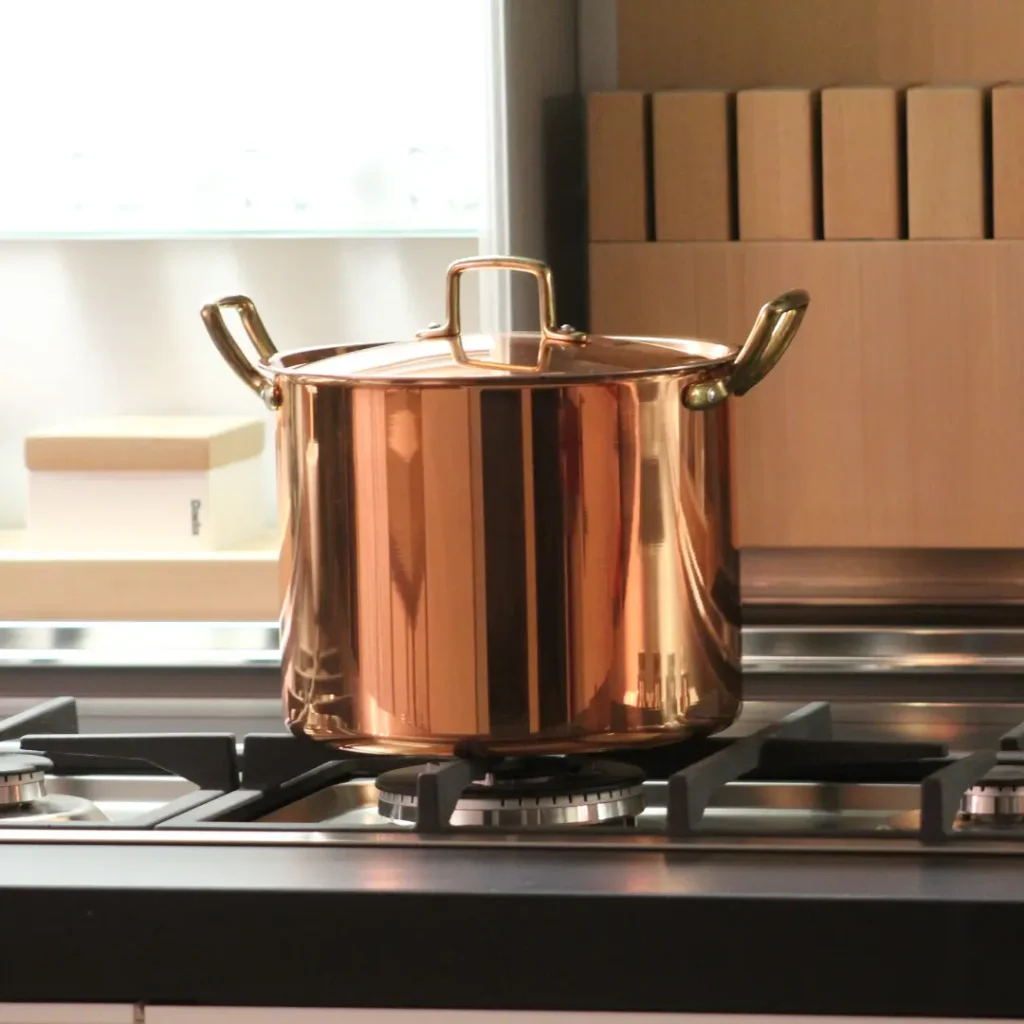
Copper cookware is often prized for its superior heat conductivity and aesthetic appeal, making it a favourite among professional chefs and home cooks alike. However, pure copper is highly reactive, especially with acidic foods, and can leach into meals, potentially leading to copper toxicity.
To mitigate this, copper cookware is typically lined with another metal, such as tin or stainless steel. But when this lining wears off or is damaged, the risk of copper exposure increases significantly. Excessive copper intake can result in a variety of health problems, ranging from gastrointestinal distress, such as nausea and vomiting, to more severe outcomes like liver damage [7].
Copper cookware, especially when unlined or poorly maintained, can leach harmful copper salts into your food. Over time, this can lead to serious health problems, including digestive issues, liver and kidney damage, and even neurological effects (Ashish et al., 2013) [8].
The Centers for Disease Control and Prevention (CDC) also warns about the dangers of copper exposure, noting that long-term exposure can lead to liver and kidney damage, and in severe cases, even death (CDC, 2022) [9].
Ceramic Coated Cookware
Ceramic-coated cookware has emerged as a popular non-stick alternative, touted for being free from chemicals like PFOA and PFOS found in Teflon. While high-quality ceramic coatings are generally considered safe, concerns arise with lower-quality products. These lower-quality ceramics might contain harmful substances, such as lead or cadmium, especially if the glaze used in the coating is not properly formulated or fired.
Ceramic tableware can be a hidden source of lead poisoning, especially when acidic foods like soy sauce, tomato sauce, or tamarind juice are stored in them. A study by Mohamed et al. (1995) found that over half of the tested ceramic items, including cups, bowls, and sauce plates, leached lead beyond safe levels set by the US FDA [10]. Sauce plates were the worst offenders, with 83.7% exceeding safety limits. The amount of lead released decreases with repeated use but increases with higher temperatures, making certain ceramics a potential health risk.
The Food and Drug Administration (FDA) has established guidelines for the permissible levels of lead and cadmium in cookware, but the risk remains, especially with imported or cheaply manufactured products that may not adhere to safety standards (FDA, 2010) [11]. Chronic exposure to these metals can result in serious health issues, including kidney damage, anaemia, and developmental problems in children.
Non-Toxic Cookware: The Alternatives
While some cookware materials pose health risks, there are plenty of safe, non-toxic cookware alternatives available that can help you cook delicious meals without the worry of harmful chemicals or metals leaching into your food. Let’s explore some of these safer options and why they’re worth considering for your kitchen.
Stainless Steel Cookware
Stainless steel is a popular choice among home cooks and professional chefs alike, and for good reason. It is considered one of the safest non-toxic cookware because it is highly durable, resistant to rust, and doesn’t leach chemicals or metals into food. Unlike non-stick cookware, stainless steel does not contain coatings that can break down or release toxic fumes when overheated. This makes it a fantastic option for everyday cooking.
Stainless steel cookware is often made with a core of aluminium or copper, which helps with heat conduction, sandwiched between layers of stainless steel to prevent direct contact with food. This design ensures even heating and excellent cooking performance while maintaining the safety and non-reactivity of stainless steel.

Stainless Steel Induction Kettle. Full review here.

Le Creuset Cast Iron Rice Pot. Full review here.
Cast Iron Cookware
Cast iron cookware is renowned for its durability and versatility. It can be used on the stovetop, in the oven, and even over an open flame, making it a versatile addition to any kitchen.
One of the unique benefits of cooking with cast iron is that it can actually contribute to your nutritional intake by releasing small amounts of iron into your food. This is particularly beneficial for individuals with iron deficiencies, as noted in a study published in the National Library of Medicine (Geerligs et al., 2003) [12].
Moreover, cast iron cookware, when properly seasoned, develops a natural non-stick surface, which eliminates the need for synthetic non-stick coatings that could be harmful. Seasoning involves applying a thin layer of oil to the cookware and heating it to create a smooth, slick surface.
This natural non-stick property is free of harmful chemicals like PFOA or PFOS, making cast iron a safer and healthier option. It’s also incredibly durable, many families pass down their cast iron pans from generation to generation, a testament to their longevity and quality.
Glass Cookware
Glass cookware is another excellent non-toxic option, especially for baking and stovetop use. It is completely non-reactive, which means it does not leach any chemicals or metals into food, making it one of the safest materials to use in the kitchen. Glass is also transparent, allowing you to monitor your food as it cooks, which is a great advantage when baking or simmering foods over a longer period.
According to a study conducted by Bansal et al. (2020), glass cookware is generally considered a safe option for cooking. It is made from pure liquid sand (silicon dioxide) and does not pose significant health risks as it does not leach harmful substances into food [13].
However, glass cookware can be fragile and lacks non-stick properties, which means it can break easily and may not be as convenient to use as other cookware types. Overall, glass is a good choice for health-conscious consumers looking for non-toxic cookware options.
Furthermore, glass is easy to clean and does not retain odours or stains, which can sometimes be a problem with other materials. It’s also dishwasher safe and can withstand high temperatures, making it a versatile and low-maintenance choice for many types of cooking.
Conclusion
In conclusion, it’s clear that the cookware we use every day can have a significant impact on our health. We’ve explored various types of toxic cookware, such as Teflon, aluminium, and low-quality ceramic, which can leach harmful chemicals and metals into our food, posing risks like cancer, neurological disorders, and hormonal disruption.
On the flip side, we’ve also highlighted safer, non-toxic cookware alternatives like stainless steel, cast iron, glass, 100% ceramic, and carbon steel, which provide durability, safety, and peace of mind in your kitchen.
Now is the perfect time to take a closer look at your current cookware and make informed decisions to protect your health and that of your loved ones. We encourage you to evaluate what’s in your kitchen and consider switching to safer options.
At Jungle Hugger, we’ve already taken this step by removing non-stick cookware from our own kitchen in favor of cast iron and stainless steel pans, which you can read more about in our comprehensive, honest reviews. Check out our reviews of the Le Creuset Rice Pot and the Le Creuset Induction Kettle to learn more about why we made these choices.
We invite you to share this article with friends and family to raise awareness about the potential dangers of toxic cookware and the benefits of safer alternatives. Together, we can make more informed choices and create healthier kitchens for everyone. Make the change today, and let’s cook up a safer future!