Introduction
Deodorant is a small part of our daily routine, but one that plays a big role in personal hygiene. However, not all deodorants are created equal.
While conventional deodorants are widely used, there’s a growing concern about their potential impact on our health and the environment. More and more people are starting to explore eco-friendly natural deodorant alternatives, wondering if they might be a better choice.
In this article, we’ll take a closer look at the differences between eco-friendly natural deodorants and conventional options. We’ll examine the ingredients found in each, discuss the potential health effects, and consider their environmental impact. We’ll also talk about how effective each type is, so you can decide which option works best for you.
By the end, you’ll have a clearer picture of what sets these deodorants apart and whether making the switch to a more natural option is right for you. Let’s explore the facts together.
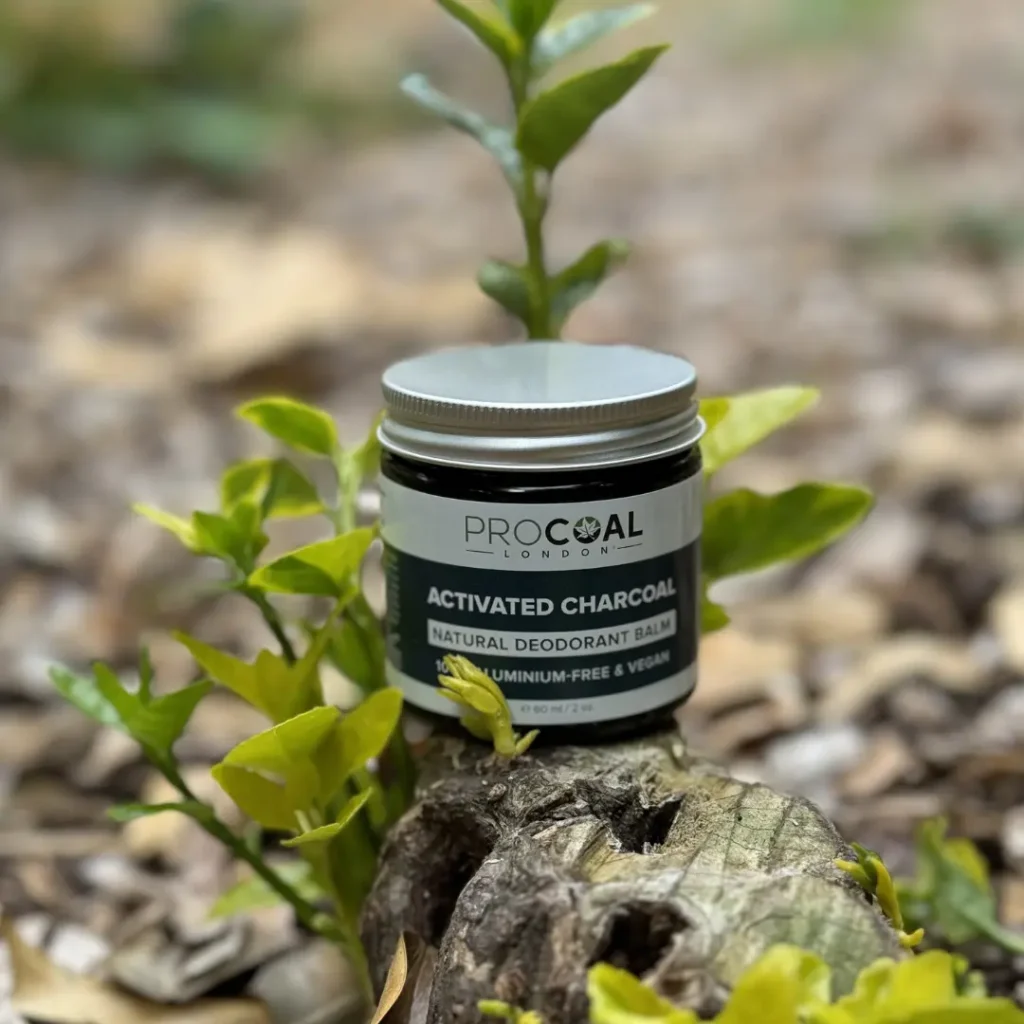
Procoal Activated Charcoal Natural Deodorants
Understanding Deodorants: A Brief Overview
Deodorants are a staple in most people’s personal care routines, designed to help control body odor caused by bacteria on the skin. Their primary purpose is to keep us feeling fresh and confident throughout the day, especially in social or professional settings.
But not all products that help us stay odor-free are the same. It’s important to understand the differences between deodorants and antiperspirants, as they serve slightly different purposes.
Deodorants vs. Antiperspirants
While both deodorants and antiperspirants aim to keep you smelling good, they work in different ways. Deodorants primarily target odor by neutralizing the bacteria that cause it. They don’t stop you from sweating; instead, they make sure that even if you do, you won’t smell unpleasant.
On the other hand, antiperspirants go a step further by actually reducing the amount of sweat produced by blocking the sweat glands. This not only controls odor but also keeps your underarms dry.
Common Ingredients in Conventional Deodorants
Conventional deodorants and antiperspirants often contain a range of synthetic ingredients designed to improve effectiveness. Here are some of the most common:
• Aluminium Compounds: These are the active ingredients in antiperspirants that temporarily block the sweat ducts, reducing moisture. While effective, aluminium has been the subject of ongoing debate over potential health concerns [1], although most studies have found no clear evidence linking aluminium in deodorants to serious health problems. [2].
• Parabens: These are preservatives used to prevent bacteria growth in deodorants. However, parabens have come under scrutiny for their potential role as endocrine disruptors, which can interfere with hormone function [3].
• Phthalates: Often used to make fragrances last longer, phthalates are another group of chemicals that have raised concerns due to their potential effects on the endocrine system [4].
• Synthetic Fragrances: These are added to mask body odour and provide a pleasant scent. However, the term “fragrance” on a label can hide a multitude of synthetic chemicals, some of which may cause skin irritation or allergic reactions [5].
Understanding these ingredients can help you make a more informed choice about the products you use daily. If you’re concerned about potential health risks or want to reduce your environmental impact, it might be worth considering a switch to a natural or eco-friendly option.
Eco-Friendly Natural Deodorants: What Are They?
Eco-friendly natural deodorants are becoming a popular choice for people looking to reduce their exposure to synthetic chemicals and minimize their environmental impact. But what exactly makes a deodorant “eco-friendly” or “natural”?

Nuud Natural Deodorants
Definition and Criteria
An “eco-friendly” deodorant is designed to have minimal impact on the environment throughout its lifecycle, from the sourcing of its ingredients to its packaging and disposal. A “natural” deodorant typically refers to one that uses ingredients derived from nature, like plants or minerals, rather than synthetic chemicals.
To be considered truly eco-friendly and natural, a deodorant should avoid using artificial preservatives, synthetic fragrances, parabens, phthalates, and other chemicals that can harm both the body and the environment.
Key Ingredients
Natural deodorants rely on a variety of plant-based and mineral ingredients to help control odor and maintain skin health. Here are some of the most common ingredients:
• Baking Soda: A natural deodorizer that neutralizes odor-causing bacteria. However, it can be abrasive and cause irritation for some people with sensitive skin.
• Activated Charcoal: Effective in absorbing odor-causing bacteria from the skin. This helps to neutralise body odour without using synthetic fragrances or harsh chemicals. It also helps absorb excess moisture from sweat. Charcoal is a gentle ingredient suitable for those with sensitive skin.
• Microsilver: Neutralises bacteria that causes body odor.
• Coconut Oil: Known for its antibacterial and moisturizing properties, coconut oil helps to keep the skin soft while also combating bacteria that can lead to body odor.
• Arrowroot Powder: This ingredient helps to absorb moisture, keeping the underarms dry without blocking the sweat glands like antiperspirants do.
• Shea Butter: A natural fat extracted from the nuts of the shea tree, shea butter is often added for its moisturizing properties and its ability to soothe and protect the skin.
• Essential Oils: These oils, such as lavender, tea tree, and eucalyptus, are used not only for their pleasant scents but also for their natural antibacterial properties, which help combat odor.
By using these natural ingredients, eco-friendly deodorants aim to provide effective odor control without relying on synthetic chemicals that may have potential health risks.
Certifications and Labels
When choosing an eco-friendly deodorant, looking for certain certifications can help ensure the product meets specific environmental and health standards. Some of the most recognized certifications include:
• USDA Organic: Indicates that the product contains ingredients grown without synthetic fertilizers, pesticides, or genetically modified organisms (GMOs).
• EWG Verified: The Environmental Working Group’s certification that signifies a product meets their strict standards for health and transparency, free from EWG’s list of chemicals of concern.
• Leaping Bunny: A cruelty-free certification indicating that neither the product nor its ingredients were tested on animals.
These certifications help consumers identify products that are not only safe for personal use but also better for the environment and ethically produced.
You can also use the Yuka app to evaluate the safety and quality of your cosmetic products. The Yuka app provides a score based on the ingredients’ impact on health, with easy-to-understand ratings and explanations. It helps you quickly see whether a deodorant is made from safe and natural ingredients or contains potentially harmful chemicals, making it easier to make informed choices for your health and the environment.
Comparing Eco-Friendly Natural Deodorants with Conventional Deodorants
When deciding between eco-friendly natural deodorants and conventional options, it’s important to consider several factors, including ingredients, safety, health implications, environmental impact, and overall effectiveness. Let’s break down these key differences to help you make an informed choice.
Ingredients and Safety
Conventional Deodorants:
Conventional deodorants and antiperspirants typically contain a variety of synthetic ingredients designed to reduce sweating and mask body odor. Common ingredients include aluminium compounds, which work by blocking sweat ducts to reduce moisture, and parabens, which act as preservatives to prevent the growth of bacteria.
While these ingredients are effective, they have been associated with potential health risks. For example, some studies have raised concerns about aluminium’s possible link to breast cancer [6] although research is still ongoing and no definitive conclusions have been reached [7]. It’s also worth noting that synthetic fragrances used in these products can sometimes cause skin irritation or allergic reactions [8].
Natural Deodorants:
In contrast, natural deodorants use ingredients like baking soda, coconut oil, arrowroot powder, and essential oils to control odour and absorb moisture. These ingredients are generally considered safe for most users and are less likely to cause irritation.
However, some people may experience sensitivity to certain natural ingredients, such as baking soda, which can be abrasive for sensitive skin. Overall, natural deodorants tend to have a better safety profile, especially for those with allergies or sensitivities to synthetic chemicals.
Health Implications
Scientific studies have examined the potential health effects of ingredients commonly found in conventional deodorants, particularly aluminium and parabens. Some research has suggested a possible link between aluminium exposure from antiperspirants and breast cancer [9]. However, other researches remains inconclusive and found no link between aluminium in deodorant to breast cancer [10].
Similarly, parabens have been studied for their potential to disrupt hormone function due to their oestrogen-like properties [11].
On the other hand, natural deodorants are often recommended for people with sensitive skin or allergies, as they are free from many of the chemicals that can trigger reactions. Natural ingredients like coconut oil and shea butter can also provide soothing and moisturising benefits, making them a good choice for those looking to avoid irritation.
Environmental Impact
Conventional Deodorants:
From an environmental perspective, conventional deodorants often raise concerns due to their use of synthetic chemicals and non-recyclable packaging. Ingredients like aluminium compounds and synthetic fragrances can contribute to pollution when they wash off into water systems [12], potentially harming aquatic life.
Additionally, the plastic packaging used for most conventional deodorants is rarely recyclable and can end up in landfills for decades. Although more plastics are being recycled at the moment, it is better to avoid the use of plastic wherever possible.
Eco-Friendly Options:
Natural deodorants, on the other hand, typically have a smaller environmental footprint. They often use biodegradable ingredients that break down more easily and are less likely to cause pollution. Many brands also focus on sustainable packaging solutions, such as using recyclable or compostable materials, which helps reduce waste. By choosing an eco-friendly deodorant, you’re not only making a healthier choice for yourself but also supporting more sustainable practices.
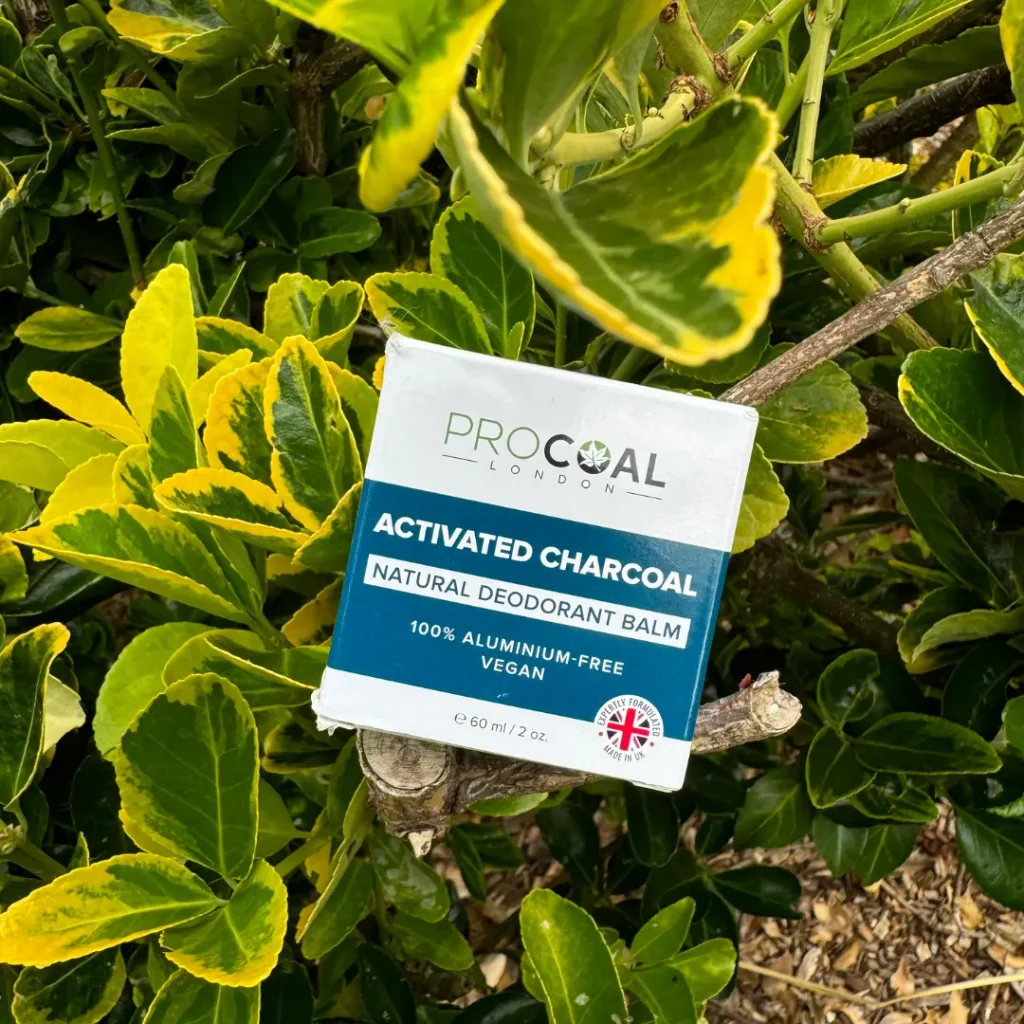
Procoal Natural Deodorants Packaging

Nuud Natural Deodorants Packaging
Effectiveness
When it comes to effectiveness, both natural and conventional deodorants have their pros and cons. Conventional deodorants, particularly antiperspirants, are very effective at reducing sweat and controlling odour due to their ability to block sweat glands and use strong synthetic fragrances. However, natural deodorants focus more on neutralising odour and may not prevent sweating since they don’t contain ingredients that block sweat glands.
The effectiveness of natural deodorants depends on the brands and ingredients. Some users find that natural deodorants need to be reapplied more frequently throughout the day, especially during high-intensity activities or in hot weather. While this might be a drawback for some, others appreciate that natural deodorants allow the body to sweat naturally while still managing odour. Consumer satisfaction varies, and finding the right deodorant often comes down to personal preference and individual skin type.
By weighing these factors, ingredients, safety, health implications, environmental impact, and effectiveness, you can choose the deodorant that best meets your needs and aligns with your values.
How to Choose the Right Deodorant for You
Choosing the right deodorant can feel overwhelming with so many options on the market, but a few key considerations can help you make the best choice for your needs and preferences. Here’s what to keep in mind when selecting a deodorant:
Factors to Consider
When picking a deodorant, start by thinking about your skin type, lifestyle, personal values, and any health concerns. If you have sensitive skin, you might want to avoid products with harsh ingredients like alcohol or baking soda, which can cause irritation. Instead, look for deodorants that are specifically labelled as “gentle” or “for sensitive skin” and contain soothing ingredients like aloe vera or shea butter.
Your lifestyle also plays a role. If you’re very active or sweat heavily, you might prefer an antiperspirant that offers stronger sweat protection. However, if you’re more focused on natural living or reducing your exposure to synthetic chemicals, a natural deodorant that allows your body to sweat while still controlling odor might be more appealing.
Personal values can influence your choice, too. If you prioritize sustainability, look for deodorants that come in eco-friendly packaging or are made with organic, cruelty-free ingredients. And if you have specific health concerns, like avoiding potential endocrine disruptors, consider deodorants that are free from parabens, phthalates, and aluminum.
Reading Labels
Understanding product labels is key to making an informed choice. Look beyond the marketing claims and read the ingredient list carefully. Watch out for ingredients that you may want to avoid, such as parabens (often listed with prefixes like methylparaben or propylparaben), phthalates (sometimes hidden under the term “fragrance”), and aluminum compounds (look for terms like aluminum chlorohydrate or aluminum zirconium).
If you’re opting for a natural deodorant, check for familiar ingredients like coconut oil, baking soda, and essential oils, and be cautious of any additives that could cause a reaction if you have sensitive skin.
Trial and Error
Ultimately, finding the right deodorant may take some trial and error. Everyone’s body chemistry is different, and a deodorant that works well for one person might not work as effectively for another. Don’t be discouraged if the first product you try isn’t perfect, experiment with a few different brands and formulas to see which one feels best and meets your needs. Pay attention to how your skin reacts, how well the deodorant controls odour, and how often you need to reapply it throughout the day.
Remember, choosing the right deodorant is about finding a balance between effectiveness, comfort, and aligning with your personal health and environmental values. Take your time, read labels carefully, and don’t be afraid to try a few options until you find the perfect match for you.
Conclusion
In summary, choosing between eco-friendly natural deodorants and conventional options involves weighing several factors. Conventional deodorants often use synthetic ingredients like aluminium and parabens to provide strong odour and sweat control, but they come with potential health and environmental concerns.
On the other hand, eco-friendly natural deodorants rely on ingredients derived from nature, such as baking soda, coconut oil, and essential oils, which are generally safer for both your body and the planet. While they may require more frequent application, natural deodorants offer a more sustainable and health-conscious alternative.
Switching to an eco-friendly deodorant can be a small yet meaningful step toward better personal health and a more sustainable lifestyle. By choosing products made from natural ingredients and packaged in environmentally friendly materials, you’re not only taking care of yourself but also contributing to the health of the planet.
If you’re considering making the switch, why not start by exploring some of the natural options available? For a closer look at one popular choice, check out our review of Nuud deodorant, a natural deodorant brand that avoids using harmful chemicals and focuses on sustainability. We encourage you to read more, make informed decisions, and consider trying natural deodorants to see how they work for you. It’s all about finding what suits your needs while staying mindful of your impact on the environment.
FAQ
Are natural deodorants better for sensitive skin?
Natural deodorants often avoid ingredients like aluminium salts, alcohol and synthetic fragrance that can irritate sensitive skin. However, sensitivity varies from person to person, so patch testing is still recommended.
Do natural deodorants stop sweating?
No. Natural deodorants do not block sweat glands. They help reduce odor by neutralising bacteria but allow normal sweating to continue.
Why do some people experience a ‘transition period’ when switching to natural deodorant?
When stopping conventional antiperspirants, sweat glands gradually return to normal activity and the skin microbiome rebalances. This adjustment can cause a brief period of stronger odor or moisture before settling.
Are conventional deodorants harmful to the environment?
Many conventional products use plastics, aerosols or non-biodegradable ingredients. Natural deodorant brands tend to focus more on recyclable packaging and plant-based formulations, which reduces environmental impact.
Do natural deodorants last as long during the day?
Performance varies by formula. Some natural deodorants last as long as conventional ones, particularly those with magnesium or zinc-based odor control, while others may need reapplication.
Can natural deodorants stain clothing?
Oil-based natural deodorants can occasionally cause marks on light fabrics. Using a thin layer and allowing it to absorb before dressing helps reduce this.
How do I choose a natural deodorant that works for me?
Look for ingredients such as magnesium, zinc or baking soda for odor control, and shea butter or plant oils for comfort. If you have sensitive skin, baking-soda-free formulas are usually gentler.
